Dawsonville, GA: Preparing for North Georgia Weather
Dawsonville, GA weather preparedness is something every resident and newcomer must take seriously. Nestled in the Blue Ridge foothills of North Georgia, Dawsonville experiences a full four seasons — from severe spring thunderstorms and searing summer humidity to rapidly shifting fall temperatures and occasional winter ice and snow events. At Gold Peach Realty, Georgia's trusted real estate experts for over 27 years with $250M+ in closed transactions, we've helped thousands of families settle in Dawsonville, and we know that weather readiness is a top priority for homeowners in this mountain-foothills community.
Table of Contents
- Dawsonville's Climate: What to Expect Year-Round
- Spring: Thunderstorms, Flooding and Tornado Readiness
- Summer: Heat, Humidity and Drought Preparedness
- Fall: Rapid Temperature Drops and Wildfire Risk
- Winter: Ice Storms, Snow and Freeze Preparedness
- Home Weatherproofing for North Georgia
- Emergency Supply Kit and Evacuation Planning
- Frequently Asked Questions
1. Dawsonville's Climate: What to Expect Year-Round
Dawsonville sits at the southern edge of the Appalachian foothills, giving it a humid subtropical climate with elevation-influenced modifiers. Summers are hot and muggy, with daytime highs regularly reaching the upper 80s and lower 90s F. Winters are mild by national standards but can turn dangerous fast — ice storms are more common here than true snowstorms, and residents are often caught off-guard. Spring and fall are spectacular in terms of scenery but bring their own weather hazards. Understanding the local climate is the first step in protecting your family and property.
| Season | Avg High (F) | Avg Low (F) | Primary Hazard |
|---|---|---|---|
| Spring (Mar-May) | 65-78 | 42-58 | Severe thunderstorms, flooding, tornadoes |
| Summer (Jun-Aug) | 87-91 | 65-70 | Extreme heat, humidity, drought |
| Fall (Sep-Nov) | 58-75 | 38-56 | Rapid temperature swings, wildfire risk |
| Winter (Dec-Feb) | 45-54 | 27-38 | Ice storms, black ice, hard freezes |
2. Spring: Thunderstorms, Flooding and Tornado Readiness
Spring in Dawsonville can arrive beautifully — and then turn violent with very little warning. North Georgia sits in a secondary tornado alley, and severe thunderstorms bringing lightning, large hail, damaging winds, and occasional tornadoes are real threats from March through May. Flash flooding is a particular concern given the area's terrain, where water rushes rapidly off hillsides after heavy rain. Homeowners near creeks, low-lying roads, or wooded hillsides should be especially vigilant.
"Every spring we see clients caught off guard by how quickly storms develop in North Georgia. I always tell families moving to Dawsonville: download the NWS alert app, know where your lowest interior room is, and never drive through standing water on mountain roads. Being 27 years in this market means we have seen what weather can do to unprepared properties."
— Nicole, Principal Broker, Gold Peach Realty | 27 Years Serving North GeorgiaSpring Preparedness Checklist for Dawsonville Homeowners
3. Summer: Heat, Humidity and Drought Preparedness
Summer in Dawsonville brings heat index values that regularly exceed 100 F when humidity is factored in. While the elevation provides some relief compared to Atlanta, residents — especially the elderly, outdoor workers, and those with health conditions — should take heat seriously. Dawson County has also experienced drought conditions in recent summers, which affects well water levels, irrigation restrictions, and wildfire risk heading into fall.
Summer afternoons often produce pop-up thunderstorms, particularly between 3 and 6 PM as heat builds through the day. These storms can produce damaging straight-line winds and lightning. Avoid outdoor activities during the peak afternoon storm window and always have a plan if you are recreating on Lake Lanier or hiking in nearby Amicalola Falls State Park.
Buying or Selling a Home in Dawsonville?
Our agents know North Georgia real estate — including which neighborhoods have the best weather resilience, drainage, and proximity to emergency services. With $250M+ in closed transactions, Gold Peach Realty is your trusted local expert.
Schedule a Free Consultation4. Fall: Rapid Temperature Drops and Wildfire Risk
Fall is arguably Dawsonville's most beautiful season — and one of its most weather-volatile. Temperatures can swing 30 to 40 F in a single day, and early frosts can arrive without warning in October. The same dry conditions that create the stunning autumn foliage also increase wildfire risk across Dawson County and neighboring mountain communities. The Georgia Forestry Commission regularly issues fire alerts for the North Georgia region from October through November.
| Fall Weather Risk | Typical Window | Preparedness Action |
|---|---|---|
| First Hard Freeze | Mid-October to November | Winterize irrigation, protect tender plants |
| Wildfire Risk Period | October-November | Clear brush within 30 ft of home; no outdoor burning |
| Rapid Cold Snaps | October-December | Insulate pipes, check heating system annually |
| Fog and Black Ice Onset | Late October-November | Allow extra drive time on mountain roads at dawn |
5. Winter: Ice Storms, Snow and Freeze Preparedness
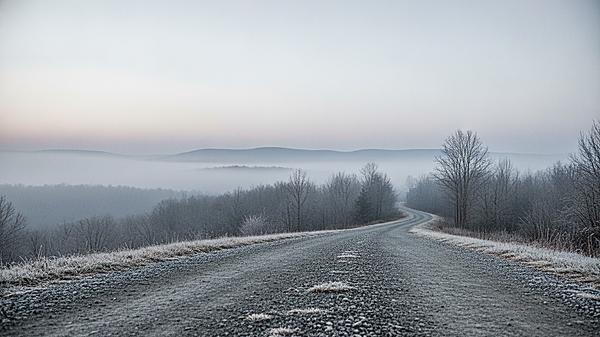
Winter in Dawsonville is deceptively hazardous. The area averages only 4 to 6 inches of snow per year, but ice storms are far more frequent and dangerous. Black ice on mountain roads, frozen pipes in poorly insulated older homes, and power outages from ice-laden tree limbs are the primary winter threats. When temperatures hover near 32 F with any precipitation, Dawsonville roads can become treacherous within minutes.
"Winter preparedness in North Georgia is different from what many transplants expect. It's rarely the snow — it's the ice. I've seen beautiful homes lose power for 3 to 5 days after a serious ice event. My advice to every client buying in Dawsonville is to budget for a standby generator, stock a 72-hour emergency kit, and never assume the roads are safe just because it's above 32 F on the thermometer."
— Nicole, Principal Broker, Gold Peach Realty | North Georgia Real Estate ExpertWinter Home Readiness: 6 Essential Steps
6. Home Weatherproofing for North Georgia
Whether you're building new or moving into an existing home in Dawsonville, weatherproofing is a year-round investment that pays dividends in both safety and energy efficiency. North Georgia's mix of seasonal extremes means that a well-prepared home must be equipped for both summer cooling loads and winter freeze events.
| Weatherproofing Upgrade | Benefit | Priority Level |
|---|---|---|
| Attic insulation (R-38+) | Reduces summer cooling and winter heating cost 20-30% | High |
| Storm-rated windows and doors | Wind/hail resistance; improved energy efficiency | High |
| Whole-home generator | Power continuity during ice/storm outages | High |
| Sump pump with battery backup | Basement/crawl space flood protection | Medium-High |
| Gutter guards | Prevents ice dams and debris blockage | Medium |
| Smart thermostat with freeze protection | Auto-alerts if interior temps drop dangerously | Medium |
7. Emergency Supply Kit and Evacuation Planning
Every Dawsonville household should maintain a 72-hour emergency kit and a clear evacuation plan. Dawson County EMA provides free resources, and families should know their designated evacuation routes, particularly those living in flood-prone or wildfire-adjacent areas near Highway 9 and GA-52 corridors. In addition to a printed emergency plan, keep digital copies of critical documents (insurance policies, deeds, medical records) in a secure cloud folder.
Dawsonville Emergency Kit Essentials
8. Frequently Asked Questions
Ready to Find Your Perfect Dawsonville Home?
Gold Peach Realty has spent over 27 years helping families find the right homes in Dawsonville and throughout North Georgia — properties built for comfort, safety, and four-season living. Let our experts match you with a home that checks every box, including weather resilience.
Call us: (770) 283-1588
Schedule Your Free Consultation TodayCategories
- All Blogs (664)
- Achasta Golf Community (78)
- Cleveland, GA (47)
- Dacula, GA (43)
- Dahlonega GA (166)
- Dawsonville, GA (46)
- Forsyth County, GA (2)
- Gainesville, GA (47)
- Gold Peach Realty (36)
- Helen, GA (44)
- Home Buying Tips (42)
- Home Décor And Interior Design (7)
- Home Improvement Tips (15)
- Home Selling Tips (29)
- Homes For Sale (56)
- Lake Lanier, GA (72)
- Land & Acreage (2)
- Local Events (13)
- Local Guides (27)
- Luxury Real Estate (3)
- Market Reports (17)
- Mortgage And Finance Tips (27)
- New Construction (2)
- North Georgia (47)
- Relocating To North Georgia (19)
Recent Posts
GET MORE INFORMATION