How do you buy an owner financed home in North Georgia?
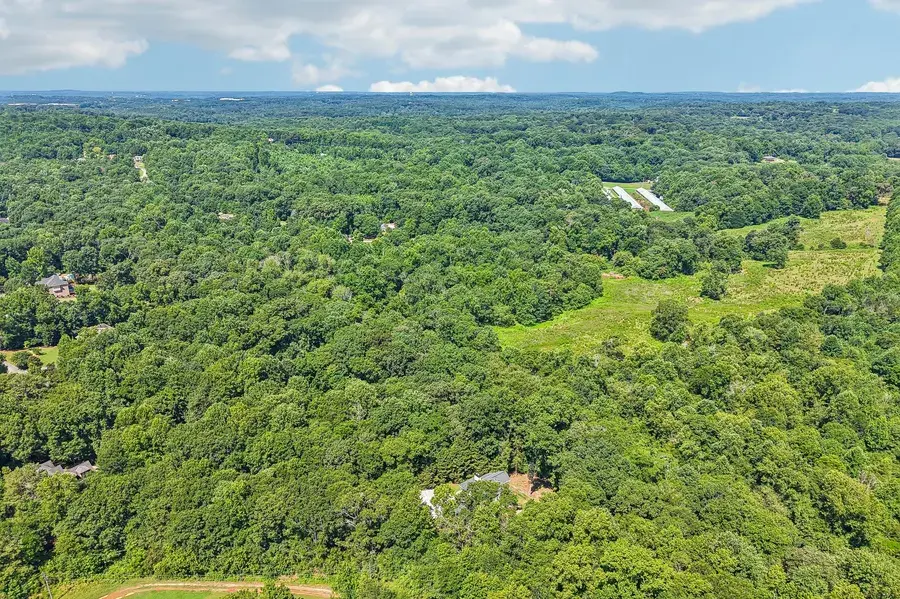
How do you buy an owner financed home in North Georgia?
TL;DR — Quick answer
Owner financed means the seller acts as the lender instead of a bank. You sign a promissory note, the seller holds a security deed, and you pay the seller monthly. In North Georgia these deals are uncommon, and the ones that exist tend to sit on land, inherited property, and homes owned free and clear. All still close through a Georgia attorney.
About the figures in this article
This article describes how owner financed deals are commonly structured. It avoids quoting specific rates, down payments, tax rates, or fee schedules, because those move constantly and vary by seller and county. Confirm every number against the note, the county tax assessor, and your closing attorney before signing.
Looking for a home you can buy without a bank?
Gold Peach Realty is a local North Georgia brokerage. We put the owner financing question to sellers on your behalf across Dahlonega and Lumpkin County. Call (770) 283-1223.
Get Your Free ConsultationTable of Contents
Search "owner financed" on a North Georgia listing portal and the result is usually a very short list. Most of the deals that get done here were never advertised that way. Someone asked the seller, and the seller said yes.
What "owner financed" means in Georgia
In an owner financed sale, the seller is also the one lending you the money to buy. No bank underwriting file, no lender-ordered appraisal requirement, no loan committee. Just a seller who agrees to be paid over time.
Quick answer: Owner financing is a private loan between buyer and seller. The buyer signs a promissory note, the seller records a security deed against the property, and the buyer takes possession and pays monthly. If the buyer stops paying, the security deed lets the seller take the property back.
Two documents carry the arrangement. The promissory note sets the amount, the rate, the payment schedule, and what counts as default. The security deed, which Georgia uses instead of the mortgage instrument common elsewhere, secures that promise against the real estate. Read a plain-English explanation of Georgia property deeds first, because it behaves differently from what buyers from mortgage states expect.
Our companion guide to how owner financing works in Georgia covers the legal structure in depth. This article covers the part that comes first: finding a deal and judging whether it is a good one.
Why these homes are hard to find here
Most sellers need the cash
A seller moving to their next house needs the equity from this one to buy it. Carrying a note means waiting years for money they need in thirty days. That fact alone removes most listings before anyone asks.
An existing mortgage usually blocks it
If the seller still owes a bank, their loan almost certainly contains a due-on-sale clause, letting the lender demand full repayment the moment the property changes hands. Working around that is the territory of a wraparound mortgage, not a simple seller-held note, and it needs a Georgia real estate attorney reviewing it first.
So who can carry a note?
Sellers who can offer owner financing share a profile. They own the property outright, they do not need the proceeds immediately, and they would rather collect interest than take a lump sum in one year. In practice: retirees, long-time landowners, families settling an estate, and investors trimming a portfolio.
Where these deals turn up
Owner financing clusters in predictable corners of this market, and land is the most reliable.
Raw and lightly improved land is the clearest case. Conventional lenders treat vacant ground as riskier than a house, so land buyers hit stricter terms at the bank. A landowner holding a parcel free and clear can beat those terms and still come out ahead. If you are shopping land for sale around Dahlonega, seller financing is a fair question on any parcel that has been sitting.
The same logic explains the second cluster. A property that will not appraise cleanly, sits on a private easement, or has no septic permit is hard to bank. Those sellers sometimes carry a note to widen the pool of buyers who can close.
Quick answer: The most productive way to find an owner financed home in North Georgia is to identify owners who fit the profile, free and clear, no urgent need for cash, on the market a while, then have an agent ask directly. Searching the phrase surfaces little, because most sellers never consider it unasked.
The terms a seller will ask for
A seller taking on lender risk prices that risk into the deal. Expect terms less forgiving than a bank would offer, and expect them to be negotiable, because no rate sheet sits behind them.
| Term | What sellers here commonly want | Confirm before you agree |
|---|---|---|
| Down payment | More than a conventional or government-backed loan requires | Whether it is ever refundable, and how it is held before closing |
| Interest rate | Above what banks quote for a comparable loan | Whether the rate is fixed for the life of the note or adjusts |
| Amortization | Payments calculated on a schedule the note will not run | The real payoff date, not the number the payment came from |
| Balloon payment | A lump sum after a handful of years is normal | The date, the amount, and your path to refinancing by then |
| Taxes and insurance | Usually the buyer's job, sometimes escrowed by the seller | Who pays, who verifies, and what a missed payment triggers |
| Prepayment | Some notes penalize early payoff | Whether you can refinance or sell early without a penalty |
| Default | Remedies that let the seller recover the property | Your cure period, and what counts as default |
The balloon deserves the most attention. A seller-held note is rarely a thirty-year arrangement. It is a bridge, written on the assumption that you refinance before it comes due. Testing that assumption is your job, not the seller's.
How an owner financed purchase closes
Georgia is an attorney closing state. Closings are conducted under the supervision of a licensed Georgia attorney, and that does not relax because the lender is a private person.
- Agree the terms in writing. Price, down payment, rate, payment amount, balloon date, and default terms belong in the purchase agreement, not in a conversation.
- Engage a Georgia closing attorney. The attorney runs the closing and prepares the note and security deed. Buyer and seller may each want separate counsel.
- Order a title search. The step buyers skip in a friendly deal, and the one that most often saves them. It shows liens, judgments, easements, and whether the seller can convey.
- Get a survey and inspections. Seller financing does not make a failing septic system disappear. Inspect as though a bank were forcing you to.
- Sign the note and the security deed. The note is your obligation. The security deed is the seller's protection.
- Record the deed. Recording runs through the Clerk of Superior Court where the property sits, and Georgia charges a recording tax on long-term notes. Ask the attorney for the figure.
- Set up payments and proof. Decide how payments are made and documented, and who confirms taxes and insurance stay current. A third-party servicer handles both.
Expect the usual transaction costs alongside the seller's terms. Our breakdown of closing costs in a Georgia transaction covers the settlement statement, most of which applies either way.
What goes wrong, and how buyers avoid it
The single most expensive mistake: treating an owner financed purchase as a private matter between two reasonable people. Every protection a bank insists on, title search, recorded deed, written terms, insurance verification, exists because these deals sometimes fail. A friendly seller changes nothing when a lien surfaces three years later.
The seller cannot convey clear title
An unresolved estate, a contractor lien, an ex-spouse still on the deed. A title search turns these up before closing, the only point at which they are cheap to fix.
An underlying mortgage was never disclosed
If the seller is quietly still paying a bank, your payments may be funding a loan that could be called due. Verify payoff status through the closing attorney.
The balloon arrives and no lender will refinance you
This is the most common way these deals end badly. The property still has to appraise and you still have to qualify when the balloon comes due. Plan for that date before you sign, and negotiate an extension option early.
The structure is not a sale at all
Some arrangements marketed as owner financing are contracts for deed or bond for title, where the buyer receives no deed until the final payment. Those carry different risks. Have a Georgia real estate attorney tell you which structure is in front of you.
Federal lending rules were ignored
Federal rules restrict how often a seller can finance property before mortgage licensing and ability-to-repay requirements apply. The thresholds are narrow, so ask an attorney where a particular seller falls.
A seller-held note is only as good as the paperwork behind it. We treat one the way a bank treats its own: title searched, terms written down, deed recorded, a Georgia closing attorney at the table. Skip those steps and you have bought a promise rather than a house.
Gold Peach Realty, brokerage guidance for North Georgia buyersIf you cannot find one
Buyers usually arrive at owner financing for one of two reasons: qualifying is hard, or down payment cash is short. Both have routes that do not depend on finding an unusual seller.
Much of the rural territory around Dahlonega and Cleveland falls inside USDA-eligible areas, and USDA financing is built for this geography. Our guide to USDA loans for Dahlonega buyers walks through eligibility. Check the current map against a specific address, not a county name.
FHA financing is designed around smaller down payments, the Georgia Dream Homeownership Program offers down payment assistance to buyers who qualify, and local banks and credit unions hold some loans in their own portfolios, which gives them flexibility a national lender lacks. For land, agricultural lenders write loans conventional desks will not touch.
Gold Peach Realty is a licensed Georgia real estate brokerage, and its broker of record is Nicole Van den Bergh, Georgia license 381292. The brokerage works the Dahlonega, Lumpkin, Hall, White, and Dawson County markets, and part of that job is saying when a conventional route beats the creative one.
Want us to ask the owner financing question for you?
Tell us the property type and area, and Gold Peach Realty will approach sellers who fit the profile and evaluate the terms that come back. Call (770) 283-1223.
Get Your Free ConsultationFrequently Asked Questions
Is owner financing legal in Georgia?
Yes. Georgia sellers may finance the sale of their own property. Federal rules limit how often someone can do this before mortgage licensing and ability-to-repay rules apply, so a seller financing more than occasionally needs legal advice first.
Do you still need a real estate attorney for an owner financed sale in Georgia?
Yes. Georgia closings are conducted under the supervision of a licensed Georgia attorney, and a private lender does not change that. The attorney also prepares the note and security deed.
How much down payment do sellers usually want?
Meaningfully more than a conventional or government-backed loan requires, because it is the seller's main protection against default. The figure is negotiated privately and varies widely, so treat any published number as an illustration.
What credit score do you need for owner financing?
There is no set threshold, because no underwriting guideline sits behind a private note. Many sellers weigh the down payment and documented, stable income more heavily than the score.
Is owner financing the same as rent to own?
No. In owner financing you buy now and the deed transfers at closing, with the seller holding a security interest. In a rent-to-own arrangement you are a tenant with an option to buy later, and you own nothing yet.
Can you get owner financing if the seller still has a mortgage?
Sometimes, but it is complicated. Most mortgages contain a due-on-sale clause allowing the lender to demand full repayment when the property sells. Arrangements leaving that loan in place need an attorney structuring them first.
What happens when the balloon payment comes due?
You owe the remaining balance in a single payment on the date the note specifies. Most buyers plan to refinance before then, which means the property must appraise and you must qualify. Ask for extension terms early.
Can you refinance an owner financed home into a regular mortgage?
Yes, and most buyers should plan to. Lenders want a documented payment history on the seller-held note, so keep clean records from the first payment and pay by traceable transfer.
Is owner financed land easier to find than an owner financed house?
Generally yes. Conventional lenders apply stricter terms to vacant land than to houses, and landowners holding a parcel free and clear are often willing to carry a note instead of waiting for a cash buyer.
How do I find owner financed homes in Dahlonega and the surrounding counties?
Searching the phrase will not find much, because sellers who would consider it rarely say so in the listing. Identify owners who fit the profile and have an agent ask directly. Contact Gold Peach Realty at (770) 283-1223 with your property type and target area.
Important: All information here is believed reliable but is not guaranteed and is subject to change without notice. Loan terms, rates, tax and recording charges, property data, and program eligibility should be independently verified by the buyer, seller, or their licensed representative before any real estate decision. This article is informational and is not legal, financial, tax, or investment advice. Consult a licensed Georgia real estate attorney, a CPA, and a qualified mortgage professional before entering any owner financed transaction. Gold Peach Realty is a licensed Georgia real estate brokerage. Equal Housing Opportunity.
Last updated:
Categories
- All Blogs (664)
- Achasta Golf Community (78)
- Cleveland, GA (47)
- Dacula, GA (43)
- Dahlonega GA (166)
- Dawsonville, GA (46)
- Forsyth County, GA (2)
- Gainesville, GA (47)
- Gold Peach Realty (36)
- Helen, GA (44)
- Home Buying Tips (42)
- Home Décor And Interior Design (7)
- Home Improvement Tips (15)
- Home Selling Tips (29)
- Homes For Sale (56)
- Lake Lanier, GA (72)
- Land & Acreage (2)
- Local Events (13)
- Local Guides (27)
- Luxury Real Estate (3)
- Market Reports (17)
- Mortgage And Finance Tips (27)
- New Construction (2)
- North Georgia (47)
- Relocating To North Georgia (19)
Recent Posts







GET MORE INFORMATION