Preparing for North Georgia Weather: Seasonal Tips
North Georgia weather preparedness is essential for anyone living in or relocating to the mountain communities of Hall, White, Lumpkin, Dawson, and Forsyth counties. From violent spring thunderstorms and summer heat events to the spectacular fall foliage season and ice storms that can paralyze mountain roads overnight, North Georgia's four distinct seasons each demand specific preparation from homeowners and residents.
Table of Contents
North Georgia's Climate Profile
North Georgia sits within the humid subtropical climate zone but is significantly influenced by the Blue Ridge Mountains' elevation and topography. The result is weather that is more variable, more dramatic, and more impactful than the Atlanta metro experience — making weather preparedness not optional but essential for mountain community living.
Higher elevation communities like Dahlonega, Helen, and Blairsville experience notably cooler summers, earlier and heavier winter precipitation, and more significant spring storm activity than lower-lying areas. Valley communities like Gainesville and Dawsonville have somewhat milder conditions, but all North Georgia residents benefit from seasonal preparation habits.
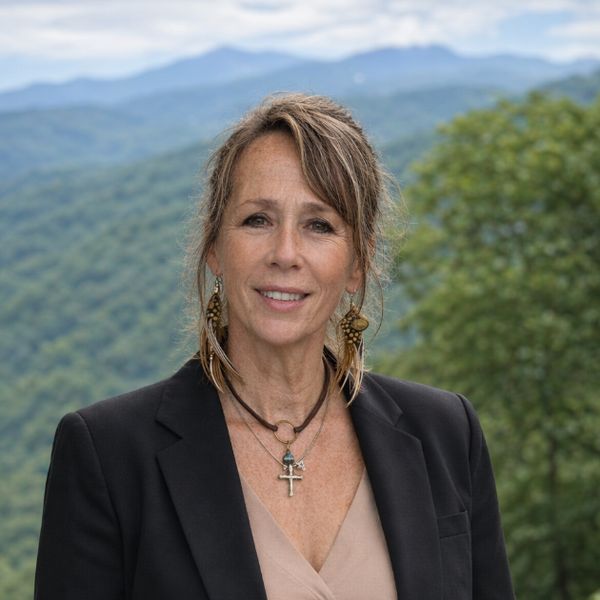
One of the questions I get most often from clients relocating to North Georgia mountain communities is about the weather — especially winter. My answer is always honest: yes, you will see ice and occasionally snow, mountain roads can become treacherous, and power outages happen. But the preparation habits you develop are manageable, and the beauty of all four seasons here makes every bit of it worthwhile. I've lived and worked in these mountains for 27 years, and the seasonal rhythm is one of the things I love most about the region.
— Nicole Van Den Berg, Principal Broker, Gold Peach RealtySpring: Storms & Flooding Prep
North Georgia's spring season — roughly March through May — brings the region's most dynamic weather. Thunderstorm season peaks, tornado risk increases, and heavy rainfall can lead to rapid flooding along river valleys and in lower-lying neighborhoods.
| Spring Weather Event | Risk Level | Preparation Priority |
|---|---|---|
| Severe Thunderstorms | High — frequent throughout spring | Weather radio, shelter plan, surge protection |
| Tornadoes | Moderate — mountain terrain reduces but doesn't eliminate risk | Know your safest interior room, NOAA alerts |
| Flash Flooding | High — especially along Chattahoochee and mountain streams | Never drive through flooded roads; know flood zones |
| Hail | Moderate — can accompany severe storms | Cover vehicles; ensure roof is in good condition |
| Heavy Pollen | Very High — spring allergy season | HVAC filters, indoor air quality management |
Spring Weather Preparedness Checklist
Summer: Heat & Storm Safety
North Georgia summers bring warmth and humidity, particularly in valley communities. While mountain elevations remain relatively cooler, heat safety matters across the region. Afternoon thunderstorms are a daily feature of July and August, with lightning being the primary weather hazard during summer months.
Summer Safety Essentials for North Georgia Residents
Looking for a Weather-Smart Home in North Georgia?
Gold Peach Realty knows which properties are built to handle North Georgia's mountain weather — from proper drainage to generator hookups to strong roofing. Let us help you find a home that's truly ready for all four seasons.
Explore North Georgia HomesFall: Foliage Season & Preparation
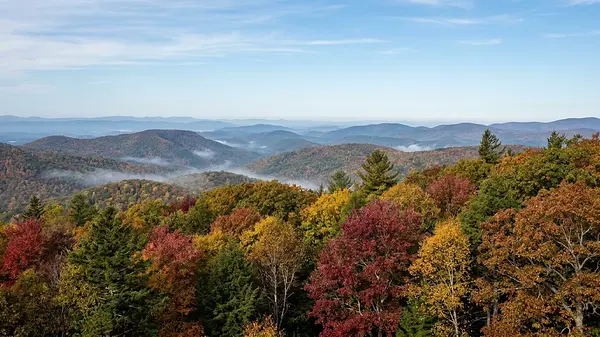
Fall is North Georgia's most celebrated season. From mid-October through early November, the Blue Ridge Mountains erupt in spectacular color as hardwood forests transform into vivid reds, oranges, and golds. It's one of the most beautiful natural events in the eastern United States — and it also brings specific weather considerations for residents.
| Location | Peak Foliage Window | Notes |
|---|---|---|
| Brasstown Bald (highest point in GA) | Early-Mid October | Peak earliest at highest elevation |
| Blue Ridge / Blairsville | Mid October | Higher elevation mountain communities |
| Helen / Dahlonega | Mid-Late October | Spectacular valley and ridge views |
| Gainesville / Lake Lanier | Late October – Early November | Lower elevation, later peak |
| Dawsonville / Dawson County | Late October | Transition zone between mountain and piedmont |
Winter: Ice, Snow & Home Protection
North Georgia winters are mild compared to the deep South's standards but genuinely challenging for mountain community residents. Ice is more problematic than snow — even modest accumulations on mountain roads can create treacherous driving conditions, and power outages from ice-laden trees are a seasonal reality.
Winter Home Preparation Checklist for North Georgia
The homes that perform best in North Georgia's mountain winters are the ones where previous owners invested thoughtfully in weather resilience — good insulation, a backup generator, a well-maintained heating system, and a covered entry that keeps ice away from the front door. When I'm showing homes to buyers considering mountain communities, these features are increasingly top of mind, and they absolutely affect both market value and quality of life.
— Nicole Van Den Berg, Principal Broker, Gold Peach RealtyYear-Round Home Weather Readiness
| Season | Priority Tasks | Timing |
|---|---|---|
| Spring | Gutter cleaning, roof inspection, HVAC service, storm supplies check | March |
| Summer | AC maintenance, outdoor furniture security, lightning rod check | June |
| Fall | Heating system service, pipe insulation, generator test, firewood supply | September–October |
| Winter | Emergency kit refresh, vehicle winterization, propane/fuel check | November–December |
| Year-Round | NOAA weather radio monitoring, insurance review, tree trimming near home | Ongoing |
Emergency Preparedness Checklist
North Georgia Household Emergency Kit Essentials
Frequently Asked Questions
What is the weather like in North Georgia?
North Georgia has a humid subtropical climate with four distinct seasons — warm, humid summers; spectacular fall foliage; cold winters with occasional ice and snow at elevation; and mild, stormy springs. Mountain communities experience more pronounced seasonal variation than valley areas.
Does North Georgia get snow?
Yes. North Georgia mountain communities — especially Dahlonega, Helen, and Blairsville — regularly receive snow and ice during winter months (December through February). Higher elevations see more frequent and heavier accumulations than valley communities like Gainesville.
How do I prepare my home for North Georgia winters?
North Georgia winter home prep includes insulating exposed pipes, checking your heating system, stocking emergency supplies (water, food, flashlights), having ice melt for driveways, and ensuring gutters and roofs are ready for ice and occasional snow loading.
Are there tornadoes in North Georgia?
North Georgia is at moderate tornado risk, particularly during spring (March-May). Mountain terrain reduces but doesn't eliminate tornado risk. Residents should maintain a weather alert system and know the safest shelter location in their home.
When is peak fall foliage season in North Georgia?
Peak fall foliage in North Georgia typically occurs mid-October through early November, with higher elevations (Brasstown Bald, Blue Ridge) peaking before valley communities like Gainesville and Dawsonville.
What should I keep in my car during North Georgia winter?
During North Georgia winter, keep in your car: an ice scraper, blanket, flashlight, jumper cables, sand or kitty litter for traction, bottled water, snacks, and a charged phone charger. Mountain roads can become hazardous very quickly.
Does weather affect home values in North Georgia?
Yes. Weather resilience features like whole-house generators, well-maintained roofs, proper insulation, and good drainage add measurable value to North Georgia mountain homes. Buyers increasingly prioritize these features when purchasing.
How can Gold Peach Realty help me find a weather-ready home in North Georgia?
Gold Peach Realty has over 27 years of experience helping buyers find homes in North Georgia's mountain communities. We know which properties are built for mountain weather and can guide you toward weather-smart purchases. Call (770) 283-1588 to get started.
Ready for All Four Seasons in North Georgia?
Gold Peach Realty — North Georgia's trusted real estate experts since 1999 with $250M+ in closed transactions. Whether you're drawn to the spring wildflowers, the summer lake lifestyle, the fall foliage, or the quiet magic of a winter mountain morning, Nicole and the Gold Peach team will find you the perfect home to experience it all.
Call (770) 283-1588 for your free, no-pressure home search consultation.
Schedule Your Free ConsultationCategories
- All Blogs (664)
- Achasta Golf Community (78)
- Cleveland, GA (47)
- Dacula, GA (43)
- Dahlonega GA (166)
- Dawsonville, GA (46)
- Forsyth County, GA (2)
- Gainesville, GA (47)
- Gold Peach Realty (36)
- Helen, GA (44)
- Home Buying Tips (42)
- Home Décor And Interior Design (7)
- Home Improvement Tips (15)
- Home Selling Tips (29)
- Homes For Sale (56)
- Lake Lanier, GA (72)
- Land & Acreage (2)
- Local Events (13)
- Local Guides (27)
- Luxury Real Estate (3)
- Market Reports (17)
- Mortgage And Finance Tips (27)
- New Construction (2)
- North Georgia (47)
- Relocating To North Georgia (19)
Recent Posts
GET MORE INFORMATION